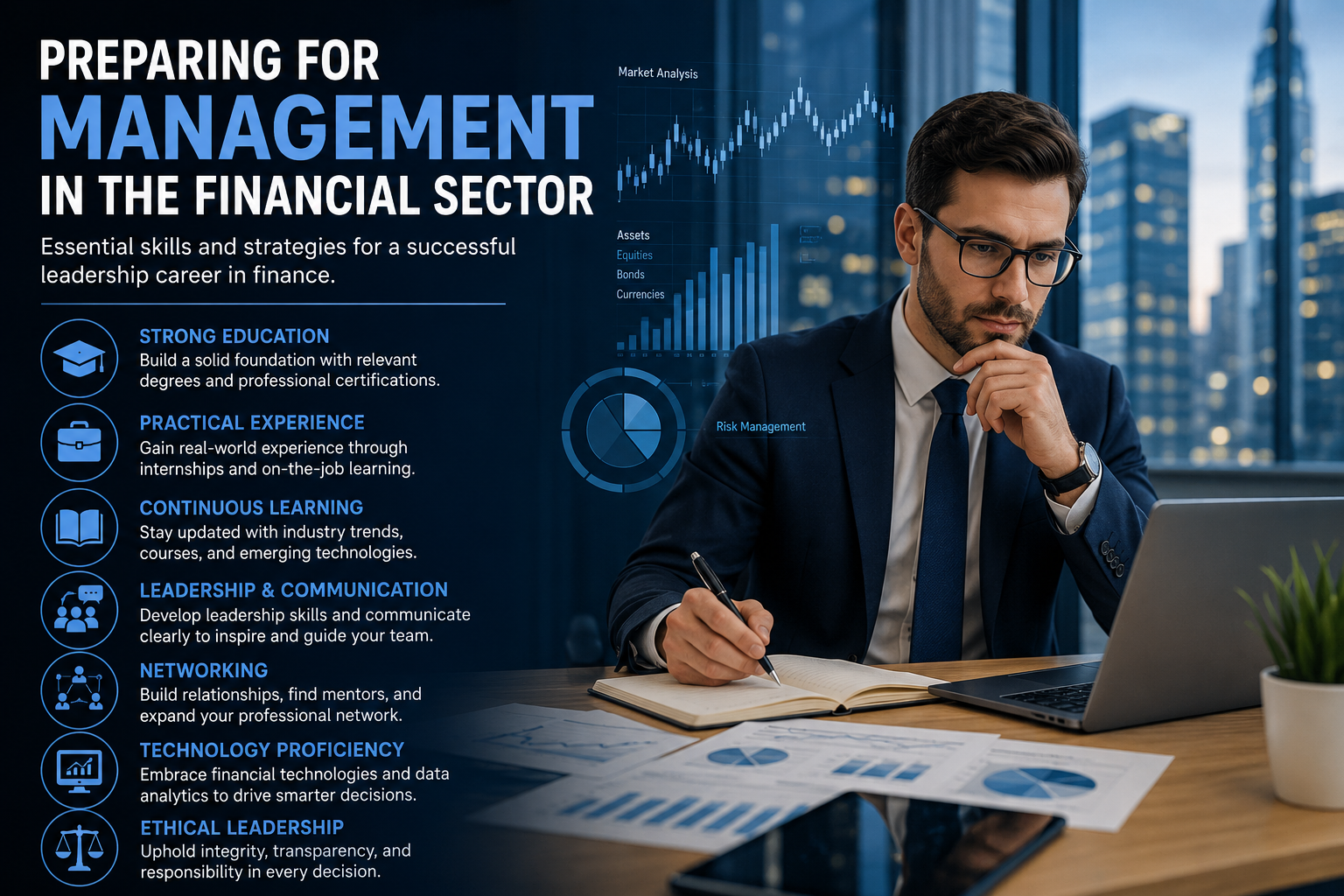
Stepping into a management position in the financial sector is both challenging and rewarding. The industry continues to evolve rapidly, making it crucial for aspiring leaders to develop a blend of technical expertise, strategic vision, and people-management skills. Leveraging comprehensive education and real-world experience can set the stage for success, while advanced education, such as pursuing an MBA Finance online, provides deeper knowledge and flexibility for working professionals.
Today’s financial sector demands adaptability and ongoing growth. The convergence of new regulations, digital disruption, and shifting client expectations requires managers to remain well-informed and nimble. Effective preparation involves continuous learning, building professional relationships, and staying on top of industry trends to navigate the complex landscape of modern finance.
Building a Solid Educational Foundation
A strong educational background lays the groundwork for sound decision-making and leadership in finance. Degrees in fields such as business administration, economics, or finance provide an in-depth understanding of the industry’s core concepts, from corporate finance to investment management. Earning credentials such as the Chartered Financial Analyst (CFA) or Certified Financial Planner (CFP) signals dedication and expertise, while specialized graduate programs, including an online MBA with a finance focus, can further accelerate career advancement.
Additionally, professional certifications not only boost technical skills but also improve credibility with clients, employers, and peers. Many top employers and professional organizations look for these distinguishing qualifications when considering candidates for leadership roles.
Gaining Practical Experience
Real-world experience is indispensable in preparing for management positions. Internships and entry-level roles allow individuals to apply classroom theory to practical scenarios, refining their analytical and problem-solving skills. Exposure to day-to-day business functions such as investment analysis, risk management, and financial planning helps build an understanding of industry operations and enterprise needs.
Rotational programs, shadowing opportunities, and project-based assignments further broaden one’s perspective and foster critical thinking. These experiences are invaluable for developing a strong work ethic, strategic insight, and the ability to adapt to different facets of the financial sector.
Embracing Continuous Learning
The pace of change within finance is relentless. New regulations, technologies, and business models constantly reshape the industry. Aspiring and current managers must make ongoing education a top priority. This includes attending industry conferences, enrolling in continuing education courses, and regularly reading sector publications to stay up to date on best practices and innovations. For example, understanding how decentralized finance (DeFi) is reshaping the financial landscape can be a key differentiator in management careers.
Developing Leadership and Communication Skills
Managers need to be more than just finance experts. Leadership and communication skills play a pivotal role in driving company performance and guiding teams through change. Joining leadership training programs and seeking mentorship are proven ways to enhance these competencies. Exposure to real-world challenges strengthens emotional intelligence and adaptability — traits vital to effective leadership.
Promoting a culture of innovation and customer-centricity also drives success. Adapting to market shifts and fostering open communication are essential to maintaining organizational relevance amid accelerating change.
Networking and Professional Development
Building and maintaining a diverse professional network is essential for career advancement in financial management. Attending industry events, participating in professional associations, and leveraging digital platforms like LinkedIn help professionals connect with mentors, peers, and industry leaders. These relationships not only extend professional opportunities but also provide mentorship, support, and firsthand market insights.
Staying Technologically Proficient
As the financial sector is transformed by digital technology, managers need to be comfortable with technologies such as data analytics software, digital platforms, and artificial intelligence tools. These advancements enhance efficiency and enable real-time risk management. A current example is the integration of large language models for overseeing multiple asset classes, which requires managers to blend financial acumen with technical aptitude. Further details can be found at Cross-Asset Risk Management: Integrating LLMs for Real-Time Monitoring of Equity, Fixed Income, and Currency Markets.
Upholding Ethical Standards
Managers in financial services are responsible for making important decisions that impact clients, stakeholders, and the wider community. Upholding high ethical standards is crucial for building trust and maintaining the institution’s reputation. This involves complying with regulatory requirements, ensuring transparency, and fostering ethical decision-making within teams. Ethical leadership is vital for achieving long-term success and stability.
Conclusion
Preparing for management in the financial sector involves a holistic approach: robust education, extensive practical experience, lifelong learning, strong leadership, effective networking, technological savvy, and unwavering integrity. By investing in these competencies, aspiring financial managers can position themselves for sustained success and lead organizations confidently through the challenges of a dynamic industry.