Creating a stunning outdoor space doesn’t have to mean endless hours of upkeep. With thoughtful planning and smart plant choices, it is possible to design a landscape that exudes beauty while demanding only minimal care. By working with an experienced Colleyville TX landscaper, you can tailor a low-maintenance yard that thrives in your climate and suits your lifestyle. Strategic landscape design, the right soil amendments, and water-saving solutions all contribute to lower maintenance and lasting curb appeal. By carefully selecting native plants and incorporating elements such as mulch and hardscape features, you can transform your yard into a lush and relaxing oasis with far less work and worry.
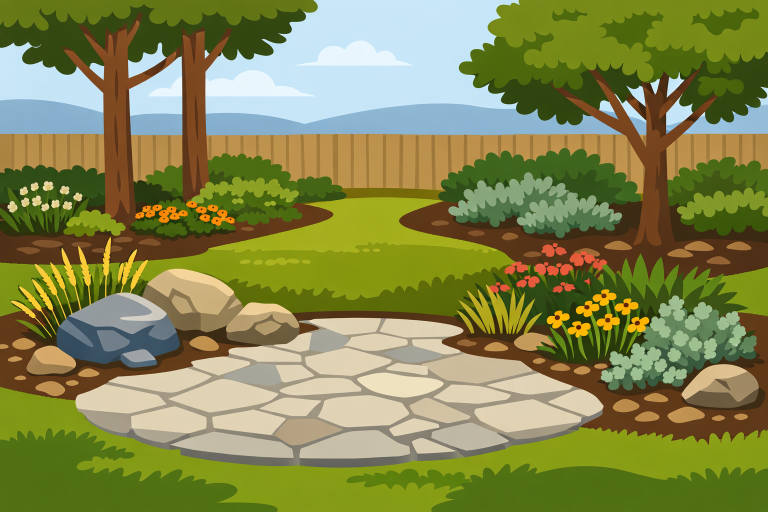
Maximizing your yard’s potential starts with a solid understanding of its features. No two properties are exactly alike, which is why a detailed assessment of factors like sun exposure, existing vegetation, and soil type is essential. This step will guide you in making the smartest and most sustainable choices for your space. Native plant selection leads to healthier landscapes that require less water, fewer chemical treatments, and less overall effort. Drought-tolerant species, such as succulents and native grasses, often thrive where non-native varieties struggle, creating a resilient and attractive environment. One simple way to further reduce maintenance is by increasing hardscape areas. Features like natural stone patios, gravel pathways, and decorative boulders reduce the need for grass and high-maintenance planting beds, saving you time on mowing and seasonal replanting. Mulch plays a key role in preserving soil moisture, keeping weeds at bay, and adding uniform color and texture to your landscape. Organic mulch, such as shredded bark or wood chips, can improve soil quality over time as it breaks down and feeds important soil microbes.
Conduct a Thorough Site Assessment
Evaluate sunlight patterns, slope, drainage, and the types of plants that already thrive in your yard. Take notes on shaded corners, wind exposure, and any problem areas. This analysis will save you time and money by ensuring that the new elements you add will perform well from the start.
Select Native and Drought-Tolerant Plants
Native plants are adapted to your specific region and climate. When choosing plants for your landscape, seek out those that have evolved locally, as they will generally need less supplemental water and care. Native grasses, flowering perennials, and tree species can form the backbone of a vibrant, resilient garden. Drought-tolerant choices, such as lavender or agave, add beauty while minimizing water use and maintenance tasks.
Incorporate Hardscaping Elements
Hardscaping introduces durable and low-maintenance surfaces to your landscape. Patios, pathways, retaining walls, and decorative gravel beds give your yard structure and utility and can be used to create outdoor living areas. These features reduce mowing, weeding, and irrigation, freeing up your time for relaxation and entertaining.
Utilize Mulch for Weed Control and Moisture Retention
Mulching is a gardener’s secret weapon for keeping gardens healthy with less effort. Spread a 2-3 inch layer of mulch around flower beds and beneath trees. In addition to preventing weeds and conserving water, organic mulch helps regulate soil temperature and gradually adds nutrients as it decomposes.
Implement Efficient Irrigation Systems
For large landscapes, installing a drip irrigation system or soaker hoses is a wise investment. These options deliver water directly to plant roots, reducing evaporation and runoff. Automated irrigation with smart timers lets you water your garden even when you are away, making consistent care effortless and reducing water waste.
Choose Low-Maintenance Lawn Alternatives
Traditional turfgrass lawns often demand mowing, edging, fertilizing, and regular watering. Consider replacing all or part of your lawn with ground covers, ornamental grasses, or a blend of low-growing perennials like clover and thyme. These alternatives remain green and attractive with minimal input and provide habitat for pollinators and beneficial insects.
Plan for Seasonal Interest
To keep your landscape vibrant year-round, select a variety of plants that offer color, texture, and form throughout the seasons. Evergreen shrubs maintain structure through winter, while blooming perennials and flowering shrubs create waves of color in spring and summer. This diversity ensures your garden remains visually appealing with minimal intervention.
Regular Maintenance: Less Is More
No landscape is entirely maintenance-free, but by following these principles, the work is greatly minimized. A little routine care, such as seasonal pruning, periodic mulch renewal, and occasional checks for irrigation efficiency, is enough to keep your outdoor space thriving. With a mindful approach to landscape design, you can enjoy more time relaxing outdoors and less time worrying about yard chores.
Conclusion
Designing a landscape that is both stunning and easy to maintain comes down to making intentional, informed choices from the very beginning. By understanding your yard’s unique conditions, prioritizing native and drought-tolerant plants, and incorporating practical elements such as mulch, hardscaping, and efficient irrigation, you can significantly reduce the time and effort needed to keep your outdoor space looking its best. A thoughtfully planned low-maintenance landscape not only enhances curb appeal but also supports long-term sustainability and cost savings. Whether you’re updating an existing yard or starting fresh, focusing on smart design principles allows you to enjoy a vibrant, resilient outdoor environment without the constant upkeep.