Accessory Dwelling Units (ADUs) are transforming homeownership in Arizona by addressing housing shortages and providing opportunities for supplemental income. As residents aim to enhance their property’s value and functionality, attached ADUs, units connected to the main home, are becoming increasingly popular. If you’re considering expanding your living space or accommodating family members, a casita builder in Arizona can help you explore tailored solutions that meet local needs and conditions.
Across Arizona’s cities and neighborhoods, limited vacant land and rising housing costs have led many homeowners to seek efficient ways to create additional living space. Attached ADUs offer unique advantages, especially in communities where urban growth and evolving family structures demand flexible, practical living solutions.
These units aren’t just about adding space; they support the growing demand for sustainable, affordable, and multigenerational housing across Arizona. By thoughtfully integrating an ADU into your property, you can create long-term family housing options, reduce your environmental impact, and potentially increase your home’s resale value. Whether it’s for an aging parent or a recent college graduate, attached ADUs are becoming increasingly relevant to Arizona families.
For insights into how ADUs are affecting property values and the nuances of the current housing market, resources like Homes.com provide further information on national and statewide trends.
What Are Attached ADUs?
Attached ADUs are independently functioning living spaces that share a structural wall with the primary residence. In Arizona, these might include additions to existing homes, finished basements, or apartments built above a garage. Each unit is designed with its own kitchen, bathroom, and living area, ensuring privacy and independence for residents while being integrated into the main property.
Cost-Effectiveness
One of the most compelling reasons Arizona homeowners consider attached ADUs is their relative affordability. Building costs are generally lower than for detached units because existing infrastructure, such as foundations, walls, and utility connections, can be reused or expanded. The overall construction costs for attached ADUs in Arizona typically range from $60,000 to $285,000, depending on unit size and complexity. This cost-saving advantage enables more families to explore the benefits of property expansion without exceeding budget constraints. For additional information on ADU costs, visit Homes.com.
Space Optimization
With Arizona’s urban development and smaller lot sizes in cities like Phoenix and Tucson, efficient land use is crucial. Attached ADUs maximize existing property footprints by converting underutilized areas such as basements or garages into fully functional living quarters. This approach allows homeowners to create extra space for family or tenants without needing to navigate the limitations of their lot’s boundaries, which is particularly important when zoning restrictions and local ordinances create obstacles for new stand-alone structures.
Enhanced Property Value
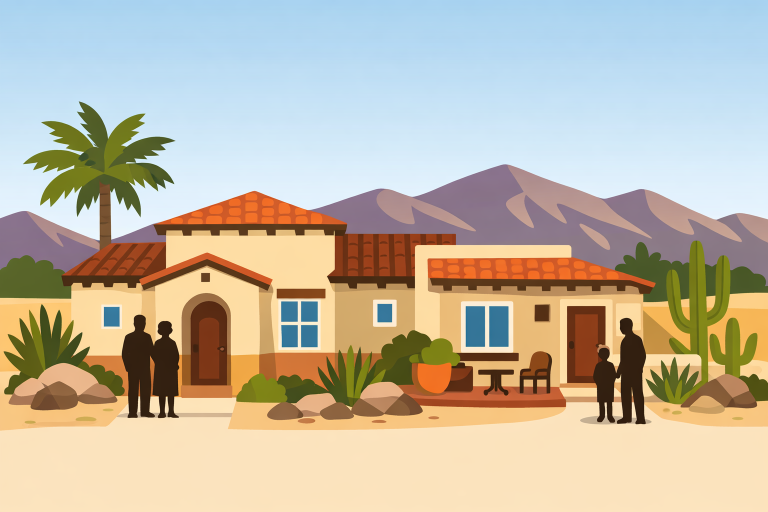
Adding an attached ADU can strengthen the value proposition of any Arizona property. Data shows that homes with secondary living spaces are increasingly attractive to prospective buyers, who appreciate the options for rental income and flexible living arrangements. In major U.S. urban markets, listings with ADUs command a 35% price premium, a trend mirrored in Arizona’s dynamic real estate sector. To delve deeper into how in-law suites and similar spaces affect property values, review the discussion at Homes.com.
Facilitating Multigenerational Living
Arizona families are increasingly drawn to multigenerational living arrangements, whether to care for aging relatives or welcome adult children back home. Attached ADUs offer the perfect balance of closeness and independence, allowing residents to maintain separate households under one shared roof. According to a survey cited by HousingWire, over 60% of ADU projects are motivated by multigenerational needs, emphasizing how these spaces enhance family unity while preserving privacy and autonomy for each generation. You can read more about this trend in HousingWire.
Environmental Benefits
Constructing an attached ADU brings notable environmental advantages to Arizona communities. These units generally require fewer raw materials than detached new builds, reducing overall resource consumption and minimizing construction waste. Their smaller size and shared infrastructure also translate to lower energy demands for heating, cooling, and maintenance. This environmentally conscious approach is perfectly suited to Arizona’s commitment to resource conservation and adaptation to the region’s unique climate challenges.
Regulatory Considerations
Before starting an attached ADU project in Arizona, homeowners should become familiar with city and county zoning laws, building codes, and permit requirements. Each municipality may have specific guidelines regarding unit size, utilities, setbacks, and parking. Consulting with local planning departments or professional ADU builders early in the process ensures that the project complies with regulations and avoids costly setbacks.
Conclusion
As Arizona continues to evolve, attached ADUs offer a strategic, adaptable solution for the state’s homeowners. These units offer reassurance for growing families, deliver financial and environmental benefits, and contribute to the overall resilience of local communities. By understanding the unique advantages and legal considerations, property owners can make informed decisions and invest in a home improvement project that adds lasting value for generations to come.