Dental implants have emerged as a leading solution for tooth replacement, offering a stable, natural-looking option that has transformed dental care for those with missing teeth. For people considering this treatment, it’s vital to weigh the important factors, including its benefits, drawbacks, and suitability for each unique situation. If you’re wondering, can I get dental implants?, understanding the key aspects below will help you make a confident, informed choice.
The decision to move forward with dental implants requires more than just aesthetic reasons. Although implants can restore your smile’s look and function, not everyone is an ideal candidate. Recognizing who can benefit from implants, as well as the available alternative treatments, is crucial for long-term oral health and satisfaction.
Some individuals find that dental implants not only improve their appearance but also enhance everyday comfort, chewing, and speech, mimicking the function of real teeth. Still, the process involves important considerations related to health, healing time, and financial investment.
It’s natural to seek options when you lose teeth, and dental implants offer a modern, sophisticated approach that might be your best fit. Take the time to consult with your dentist and learn all your alternatives to ensure the results align with your goals and lifestyle.
What Are Dental Implants?
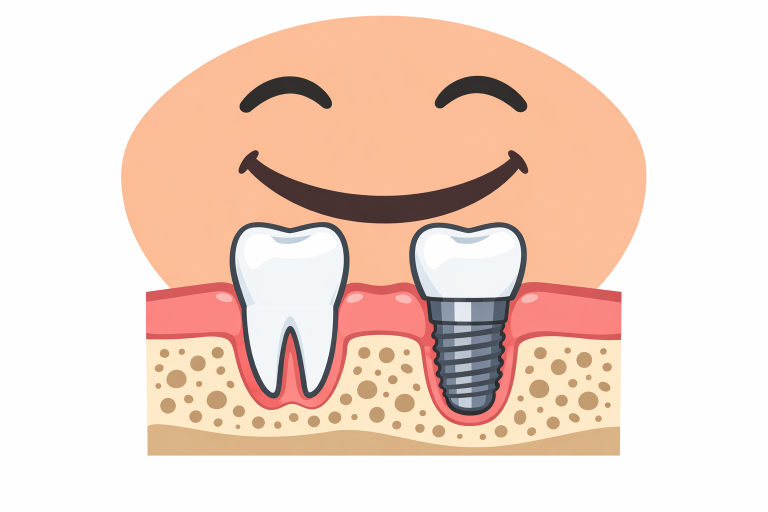
Dental implants are artificial roots, most often crafted from titanium, that are surgically positioned into the jawbone beneath the gums. After a period of healing and integration, when the implant fuses with the bone, it acts as a sturdy anchor for replacement teeth such as crowns, bridges, or dentures. This allows dental implants to function much like your original teeth, providing stability and longevity for those seeking long-term tooth replacement.
Pros of Dental Implants
- Natural Appearance and Function: Implants are designed to look, feel, and work just like your natural teeth. They provide reliable biting force and a seamless appearance within your smile.
- Durability: With regular care, dental implants can last for decades, making them one of the most durable dental restoration options available.
- Bone Health Preservation: Implants stimulate the jawbone in the same way tooth roots do, which helps prevent bone loss and maintains the structure of your face.
- Improved Oral Health: Implants do not require adjacent teeth to be shaped or reduced, preserving natural tooth structure and supporting better overall oral health.
The American Academy of Implant Dentistry provides comprehensive information on the wide-ranging benefits of dental implants and is a valuable resource for further reading.
Cons of Dental Implants
- Cost: Implants can be more costly than other tooth replacement choices. This procedure may not always be fully covered by insurance, so it is important to plan accordingly.
- Surgical Risks: As with any minor surgical procedure, there are risks, including infection, nerve injury, or even the rare chance of implant failure.
- Time Commitment: From the initial consultation through to the final restoration, placing dental implants is a process that can take several months due to the healing and osseointegration phases.
For a thorough comparison of the risks and complications associated with dental implant surgery, consider referencing the advice provided by the Mayo Clinic.
Who Is a Good Candidate?
While dental implants offer impressive outcomes, not everyone is an immediate candidate. Generally, those best suited for dental implants:
- Have strong overall health and maintain good oral hygiene routines.
- Possess adequate jawbone density to secure the implant post.
- Have healthy gums and are free from untreated periodontal disease.
Additional factors that may affect suitability include:
- Uncontrolled chronic medical conditions (such as heart disease or diabetes), which can interfere with healing.
- Smoking, which can slow recovery and increase the risk of implant complications.
- Insufficient bone structure; though, in some cases, bone grafting can prepare the area for future implants.
Alternatives to Dental Implants
Dental implants are not always the only or best option for everyone. Alternative approaches include:
- Dental Bridges: Bridges fill gaps by anchoring one or more artificial teeth to neighboring healthy teeth. While less invasive, they may require the reduction of surrounding teeth.
- Partial or Full Dentures: Dentures are removable appliances that restore appearance and function but may require more frequent adjustments and do not stop bone loss in the jaw.
Each of these alternatives brings its own advantages and disadvantages. It is important to discuss your specific needs and lifestyle with your dental professional to choose the best option.
Conclusion
Dental implants deliver a highly effective solution for restoring missing teeth, combining natural looks with robust function and long-term stability. However, they may not be appropriate for all patients, so it’s wise to carefully consider your oral health, medical history, and long-term goals. Review all options, weigh both the pros and cons, and work closely with a qualified dental team to craft a treatment plan that fits your unique needs and supports your future smile.