Getting your home ready for the changing seasons is more than just a routine task. With the right steps, you can boost your home’s comfort, protect your investment, and even save on energy bills. Whether it is spring cleaning or prepping for a winter freeze, a strategic approach makes all the difference. For tough exterior jobs, like removing grime, a professional commercial power washing service can make your home not just cleaner but healthier, too.
Each season comes with unique challenges. From protecting against summer storms to insulating for winter, a proactive maintenance plan helps avoid costly surprises. Prioritizing energy efficiency not only lowers your bills but also reduces your environmental impact. These strategies ensure you maintain a safe, pleasant living space all year. A year-round home care routine protects your property from the elements, promotes safety, and preserves curb appeal. Regular attention to safety checks and outdoor maintenance further ensures your home stands up to whatever the weather brings. This step-by-step guide takes you through every aspect of seasonal home preparation. By staying organized and thorough, you can enjoy peace of mind through every season.
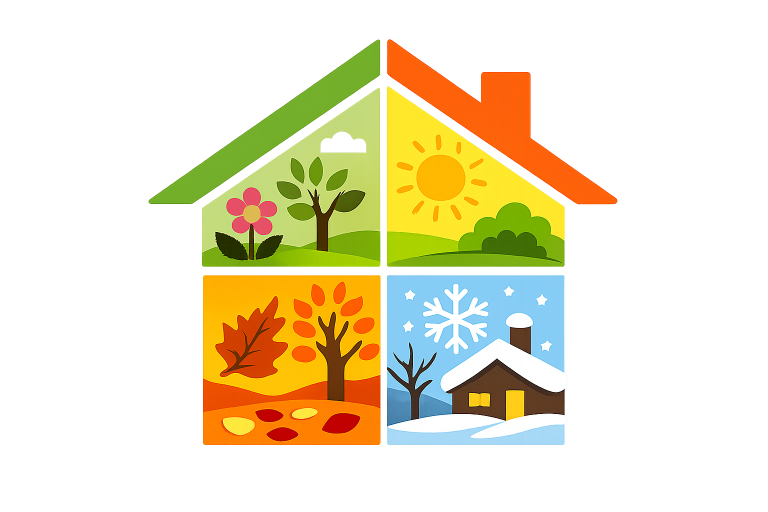
Spring: Cleaning and Maintenance
Once the temperatures start to rise, spring is the ideal time to tackle maintenance projects after the hardships of winter. Begin by carefully inspecting your roof for signs of wear. Addressing these issues promptly prevents leaks and mold growth. Cleaning out gutters is also essential to prevent water damage during spring showers.
- Inspect the Roof and Gutters: Identify damaged shingles and clear gutters of debris to ensure proper drainage.
- Service HVAC Systems: Arrange for a professional inspection to keep your air conditioner running smoothly. Clogged filters and worn components can reduce efficiency and lead to breakdowns during hot spells.
- Check Windows and Doors: Replace cracked seals or weather stripping. Well-sealed entry points enhance comfort and lead to significant energy savings.
Summer: Cooling and Outdoor Care
The heat of summer puts extra demands on your home’s cooling systems and outdoor areas. Regularly changing or cleaning air conditioning filters is one of the easiest and most effective maintenance tasks. Not only does it improve performance, but it also maintains indoor air quality.
- Maintain Air Conditioning Units: Make filter changes part of your monthly routine. This prevents strain on your system and helps keep energy costs in check.
- Inspect Outdoor Plumbing: Examine hoses and faucets for leaks or signs of wear. Prompt repairs reduce water waste and prevent flooding.
- Prepare for Storms: Summer storms can be unpredictable. Secure or store outdoor furniture, and keep trees trimmed to prevent falling limbs from causing damage.
Fall: Inspections and Preparations
The arrival of cooler weather means it is time to get your home ready for winter. Focus on making your home as airtight as possible. Cleaning gutters in the fall prevents clogs from autumn leaves, which can cause ice dams and water damage during colder months.
- Clean Gutters and Downspouts: Remove accumulated leaves and debris to ensure water flows freely away from your foundation.
- Inspect Heating Systems: Schedule a professional furnace inspection. Early intervention catches minor glitches before they become big problems when you need heat the most.
- Seal Gaps: Use caulk or weather stripping around doors and windows to keep heat from escaping during the chilly months ahead.
Winter: Weatherproofing and Safety
With freezing temperatures on the horizon, winterproofing your home is crucial. Insulating exposed pipes, especially in unheated areas, prevents costly bursts. Make sure the attic and wall insulation are adequate, as this minimizes heat loss, keeps your home cozy, and lowers energy costs in the long run.
- Prevent Frozen Pipes: Cover pipes with insulation sleeves, and when severe cold hits, allow a small trickle of water to run.
- Check Insulation: Evaluate your attic and walls for gaps or thin spots. Reinforce these areas to retain warmth and save on heating bills.
- Test Smoke and Carbon Monoxide Detectors: As heating usage rises, so does the risk of fire or carbon monoxide leaks. Test detectors regularly for your family’s safety.
Energy Efficiency Tips
Greater energy efficiency is easier to attain than many homeowners realize. Installing a programmable thermostat lets you automatically adjust temperatures based on your daily routine, reducing energy waste without sacrificing comfort. Replacing old incandescent bulbs with LED versions is another quick win; LEDs last longer and use a fraction of the power.
- Install a Programmable Thermostat: Personalize your heating and cooling schedules to match your lifestyle and save money throughout the year.
- Use Energy-Efficient Lighting: Switch to LEDs, which lower consumption and come in a variety of styles for every room.
- Seal Ductwork: Address leaks in your HVAC ducts. Even tiny gaps can allow heated or cooled air to escape, making your system work harder than necessary.
Seasonal Safety Checks
Home safety is a year-round responsibility. Commit to testing smoke and carbon monoxide alarms monthly. Review the expiration dates on your fire extinguishers and replace any that have expired. Establish and practice emergency plans with everyone in your household. Revisit these plans as part of each seasonal routine to ensure everyone stays prepared.
- Test Alarms Monthly: Stay on top of alarm maintenance and battery changes for peace of mind.
- Inspect Fire Extinguishers: Check that they are charged and not past expiration. Store them in accessible spots around your home.
- Review Emergency Plans: Make sure all household members know both evacuation routes and emergency contacts.
Landscaping and Exterior Care
Maintaining your home’s exterior is as important as indoor care. Trim trees and shrubs to keep branches clear of siding and rooflines, helping prevent potential storm damage. Inspect your foundation for cracks and address them promptly to prevent water intrusion and pest infestations. Pay special attention to driveways and walkways, repairing cracks or holes to prevent injuries and further damage.
- Trim Trees and Shrubs: Keep branches from touching your home to mitigate storm damage.
- Inspect the Foundation: Look for and seal any cracks or openings that could lead to water entry or pest infestations.
- Maintain Driveways and Walkways: Fix any damage promptly to ensure safe footing and curb additional deterioration.
Conclusion
By systematically preparing your home for every season, you maintain a comfortable, efficient, and safe environment for everyone in your household. Proactive maintenance helps avoid expensive repairs, supports your property’s value, and ensures that your home weathers all conditions gracefully. Keep this guide handy throughout the year and build a routine that keeps your home at its best.