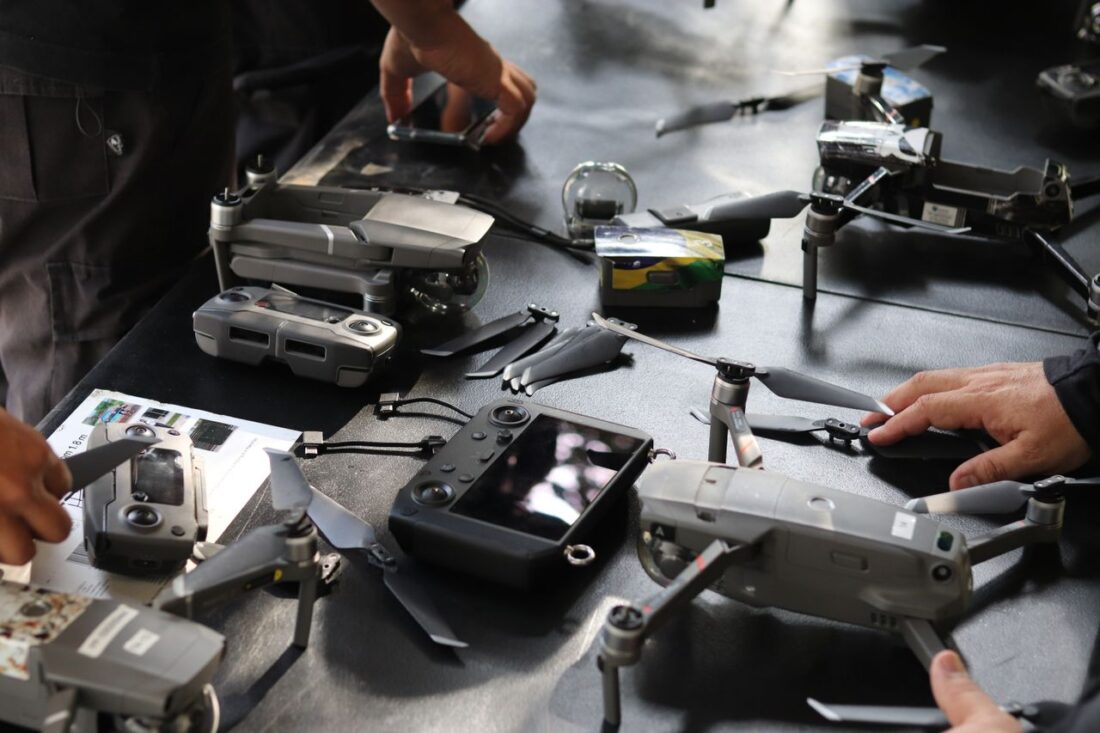
Many learners are attracted to technical education because they want more than theoretical instruction. They want opportunities to work through projects, complete assignments, and see how concepts connect to practical activities. People researching Sonoran Desert Institute Worth It often want to understand how focused technical coursework options connect online instruction to visible work. This preference for active participation is one reason hands-on learning remains an important part of many technical fields. Sonoran Desert Institute (SDI), which is accredited by the Distance Education Accrediting Commission (DEAC), provides technical education through structured online learning and hands-on assignments completed outside a traditional classroom. Sonoran Desert Institute reviews may be more useful when considered alongside information about design-and-build assignments.
Within the uncrewed technology catalog, design and build is one of several options available to learners. Its inclusion reflects the broader theme of practical participation that appears throughout the catalog. Alongside subjects such as drone fundamentals, remote pilot preparation, aviation management, GIS, and thermography, design and build provide another pathway for students who want a structured learning experience that connects instruction to completed work.
Applied Learning Begins with Participation
Applied learning differs from passive study because it asks learners to engage with the material through action. Students are not only reviewing concepts. They are completing assignments, following instructions, and documenting their progress as they work. This approach can make the learning experience feel more tangible by having the student produce something that can be reviewed and discussed.
For many learners, participation creates a stronger connection to the subject matter they are studying. Reading and viewing instructional content remain important parts of the learning experience, but assignments provide an opportunity to interact with those lessons more directly. Applied learning helps bridge the gap between instruction and activity by giving students a defined task to complete.
Participation also helps students understand how technical learning develops step by step. A learner may begin with general curiosity, but assignment-based work gives that curiosity direction. Instead of only thinking about a subject, students begin working through it in an organized way.
Visible Work Helps Students Evaluate Progress
One benefit of applied learning is that students often have tangible work to examine after an assignment is completed. Rather than relying solely on memory, they can review photos, videos, notes, and project records to understand the learning experience better.
This visibility makes it easier to reflect on what was accomplished. Students can look at the work itself, consider instructor feedback, and identify areas where they became more comfortable with the material. These observations help create a clearer picture of the educational experience because progress is connected to documented assignments rather than general impressions. Visible work can also help students recognize growth over time. Early assignments may show where a learner was still developing familiarity, while later work may reflect stronger organization, better preparation, or more confidence in the process. This makes progress easier to see and understand.
Instructor Feedback Strengthens Applied Learning
Applied learning becomes more valuable when students receive feedback connected directly to the work they completed. Instructor reviews provide context for assignments and help learners understand how their work aligns with expectations.
Feedback also encourages continued improvement. Students can apply observations from one assignment to future projects, creating a cycle of participation, review, and adjustment. This process helps reinforce the connection between coursework and learning outcomes because each assignment contributes to future development. For hands-on learners, feedback can make the experience feel more guided. Rather than completing assignments in isolation, students receive comments that help them think more carefully about their process and results. This support can help learners approach future work with more clarity.
Practical Exposure Helps Learners Explore Interests
Many learners choose focused coursework to explore a subject before deciding what to study next. Applied learning supports this goal by giving students direct exposure to the topic through assignments and project work.
This exposure often provides more insight than descriptions alone. Learners can experience the subject’s structure, complete related tasks, and determine whether the topic aligns with their interests. Design and build fits well within this approach because it allows students to engage with the subject through active participation. The experience gained from one learning area can help learners make more informed decisions about future educational opportunities. A student may discover an interest in another uncrewed technology subject, such as GIS, thermography, aviation management, or remote pilot preparation. Practical exposure gives those decisions a stronger foundation.
Supporting Learning Through Action
People researching Sonoran Desert Institute Worth It often want to understand how coursework connects online instruction to practical educational experiences. Design and build supports that connection by emphasizing hands-on, documented learning. Students participate in structured assignments, document their work, and receive feedback that helps them better understand the learning process.
As part of the uncrewed technology catalog, design and build gives learners another way to explore technical subjects through active participation. Combining organized coursework with documented assignments provides a learning environment where students can engage with the material, review completed work, and gain practical exposure to the subject they selected. Learning through action can also help make technical education feel more concrete. When students complete assignments and preserve records of their work, they create evidence of participation that can be reviewed later. This turns coursework into a practical learning experience rather than a purely digital one.
A Natural Fit Within the Uncrewed Technology Catalog
The uncrewed technology catalog covers various subject areas, each offering learners a unique way to explore the field. Design and build contribute to this variety by providing an option that reflects the broader emphasis on practical participation and documented learning.
Its inclusion demonstrates that uncrewed technology education can involve more than reviewing concepts. Students have opportunities to complete assignments, organize project records, and create documentation that reflects their involvement in the coursework. This combination of structure and participation supports the applied learning model that appears throughout the catalog. Design and build belong in the catalog because they give learners another practical way to connect instruction with action. For students who want to move beyond general interest and engage with a subject through completed work, this area supports a clear, organized, and applied learning experience.