The landscape of banking and financial litigation is rapidly shifting as technology transforms how institutions operate and deliver services. The growth of digital banking and fintech not only streamlines consumer experiences but also introduces complex legal, regulatory, and operational challenges. For organizations navigating this evolving landscape, partnering with a litigation support specialist can be essential for managing risk, resolving disputes, and ensuring compliance with the changing rules of the game.
As AI-driven processes, blockchain technology, and cross-border transactions gain traction, the legal frameworks that support and oversee the financial sector are being tested like never before. Regulators, businesses, and legal professionals must keep pace with these shifts to minimize exposure and remain competitive. New issues in litigation are emerging that require a deeper understanding of both technology and law, particularly as financial services move beyond traditional boundaries.
Recent regulatory crackdowns have put a spotlight on compliance practices, making it imperative for institutions to adapt and address vulnerabilities proactively. Mass and international arbitration are likewise rising in prominence as the world’s financial activities transcend national jurisdictions and dispute resolution becomes increasingly global. Strategic legal planning and the adoption of new risk mitigation tools are now crucial to the survival and success of financial institutions.
For a deeper exploration of industry best practices and legal trends, industry overviews from publications like The Wall Street Journal frequently offer valuable context on how these shifts impact both established and emerging players.
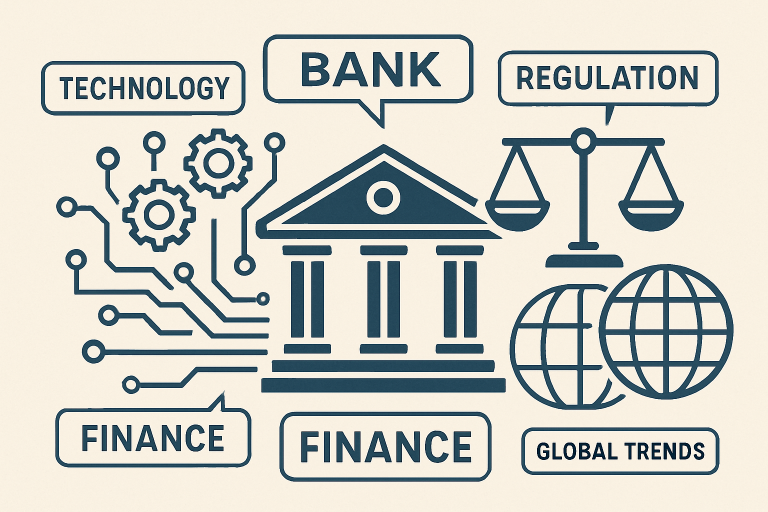
Digital Banking and Fintech Innovations
Digital banking is redefining financial services, providing consumers with more flexibility and access while reducing overhead for institutions. Fintech firms, leveraging advanced technologies such as AI, machine learning, and open banking APIs, challenge traditional models and require new legal approaches. These innovations deliver benefits—like enhanced customer onboarding and rapid transaction speeds—but the resulting disputes are increasingly centered on data privacy, intellectual property, and contractual intricacies between parties.
According to a recent report by Forbes, the impact of alternative lenders and neobanks is already visible in expanded financial inclusion and new consumer protections. However, this progress goes hand in hand with increased regulatory pressure, especially as new products and platforms expand across state and international borders. Legal teams must continually adapt frameworks to safeguard clients and operations amidst this rising complexity.
Artificial Intelligence in Risk Management
AI technologies have emerged as both a tool and a challenge for managing financial risk. On the one hand, banks are deploying machine learning to detect fraud, predict loan default risks, and automate compliance monitoring. On the other hand, regulatory authorities emphasize the importance of transparency and accountability, particularly when AI algorithms are employed to make customer-facing decisions, such as loan approvals or denials.
The requirement for explainability in AI decision-making is intensifying. As highlighted by Forbes, banks must now ensure that their automated models can be audited and justified in court—failure to do so can result in costly litigation and reputational damage. The balance between innovation and compliance is a dynamic challenge as AI permeates all aspects of financial operations.
Regulatory Focus on AML and KYC Compliance
Global and national regulators are intensifying their oversight of AML and KYC protocols to combat financial crime and promote responsible banking practices. This expanded scrutiny is shifting legal risk toward financial institutions, which may now be held accountable for potential wrongdoing by customers and third-party partners. Lawsuits alleging failures in customer due diligence and transaction monitoring are on the rise, prompting institutions to invest in enhanced compliance tools and robust legal oversight.
As litigation around AML and KYC intensifies, transparent and well-documented processes are essential. Legal teams must remain vigilant about new rules and evolving case law, particularly as plaintiffs’ attorneys target more favorable jurisdictions and precedents. Institutions that fail to demonstrate robust compliance may face substantial penalties and operational disruptions.
Decentralized Finance (DeFi) Platforms
DeFi is one of the most disruptive trends facing traditional banking. By eliminating intermediaries and relying on blockchain protocols, DeFi platforms facilitate peer-to-peer transactions, lending, and financial services outside established regulatory frameworks. This decentralization, while promising greater access and efficiency, also introduces ambiguity over liability, governance, and consumer protection. As DeFi grows, some financial institutions are experimenting with incorporating its methodologies, while others call for tighter regulatory controls.
Litigation risks in DeFi arise from hacks, smart contract failures, and disputes over decentralized governance. The legal landscape is still evolving, leaving significant questions regarding enforcement, jurisdiction, and recourse for affected users. Leading legal analyses from sources like Reuters frequently highlight how courts and regulatory bodies across different geographies are slowly adapting to address these emerging challenges.
Rise of Mass and International Arbitration
Mass and international arbitration are increasingly important solutions for dispute resolution in the complex financial services sector. As organizations expand their footprint and customers engage across multiple jurisdictions, traditional litigation often proves slow and expensive. Arbitration offers speed, confidentiality, and procedural flexibility—key advantages for high-stakes disputes involving multiple parties or cross-border transactions.
Strategic coordination with experienced legal experts in both mass and international arbitration ensures case preparation and effective negotiation. With regions such as Latin America, Europe, and the Middle East becoming hotspots for cross-border disputes, global legal teams are crucial for navigating local practices and regulatory nuances. As more plaintiffs’ counsel refine their approach and access technological tools, institutions must remain proactive to minimize risk and optimize outcomes.