Counseling is more than just a means to cope with difficult emotions—it’s an empowering journey that fosters self-discovery, growth, and resilience. By collaboratively working with a therapist, individuals unlock new perspectives, learn practical skills, and grow into stronger, more adaptable versions of themselves. In times of change or adversity, counseling West Bloomfield MI can be a transformative step toward building a more fulfilling life. Through counseling, individuals often gain the confidence needed to take action in areas they’ve previously felt stuck, making gradual progress that extends to all aspects of their lives. Effective therapy empowers clients to create lasting change and enhance their well-being, even during times of stress or crisis. By offering a safe space, it supports emotional exploration and the development of practical coping strategies that improve relationships and life satisfaction. Skilled counselors help individuals recognize their strengths, build resilience, and navigate challenges with greater confidence. This process fosters hope, supports overall health, and leaves clients feeling more optimistic and in control.
Enhancing Self-Awareness
Self-awareness is often the first step toward meaningful personal change. Counseling encourages individuals to look inward, unearthing the thoughts, emotions, and behavioral patterns that drive their actions. This process of self-exploration enables individuals to understand why they react in specific ways, identify long-standing beliefs that may no longer serve them, and recognize areas in life that require attention or change. With greater self-awareness, individuals become more intentional in their choices and better equipped to advocate for their own needs. Increased self-awareness enables individuals to recognize patterns that may have previously gone unnoticed, leading to greater self-acceptance and the confidence to implement positive changes. As clients continue to reflect, they gain a deeper appreciation for their unique traits and values, setting the stage for deeper fulfillment and alignment in their personal and professional lives.
Developing Emotional Intelligence
Within the therapeutic setting, clients are encouraged to explore their feelings without judgment. This supportive environment lays the foundation for developing emotional intelligence—a critical skill set that includes self-regulation, empathy, and relationship management. Individuals who enhance their emotional intelligence are better at understanding their own emotions and recognizing how those emotions impact interactions with others. This growth not only benefits personal relationships but also has a positive impact in the workplace, with studies linking emotional intelligence to enhanced leadership and teamwork. Therapists may use exercises such as role-playing or reflective listening to help clients practice expressing their feelings more clearly and recognizing emotional triggers. The increased awareness and skill gained support both daily interactions and long-term relationships, creating a ripple effect of positivity in all areas of life.
Building Effective Coping Strategies
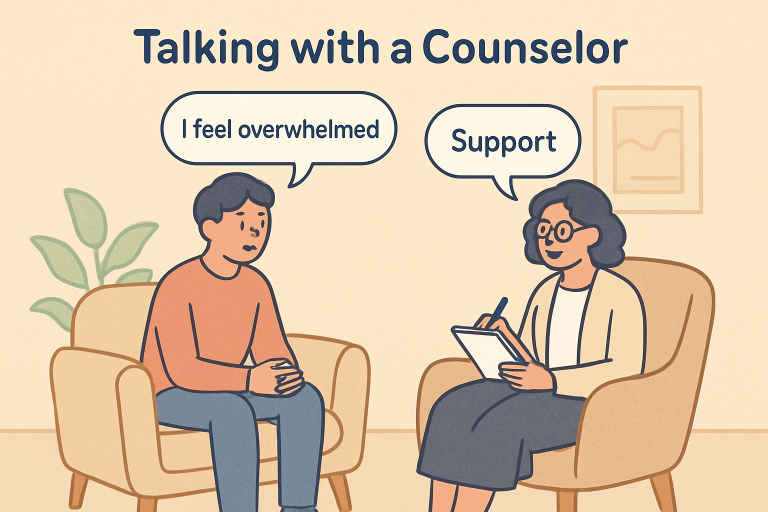
No one is immune to stress, loss, or unforeseen challenges. Counseling equips individuals with a range of coping mechanisms, enabling them to respond to stressors proactively and healthily. Therapists teach mindfulness practices, relaxation techniques, and problem-solving skills that enable clients to manage difficult emotions in a constructive manner. As clients begin to use these new tools, they experience fewer instances of being overwhelmed by stress and can navigate daily life with greater confidence and agency. Addressing coping skills in therapy often involves personalized approaches, as everyone responds differently to stress. Over time, individuals discover which techniques work best for them, making it easier to recover from disappointments and persevere through challenging situations. Developing these skills not only improves mental health but also boosts overall resilience, equipping people for future challenges.
Fostering Resilience
Resilience refers to the ability to recover from difficulties, adapt to change, and keep moving forward even in the face of adversity. Counseling is instrumental in building resilience as it helps individuals reframe negative experiences, process trauma, and develop adaptive attitudes toward setbacks. Addressing these challenges in a supportive environment makes it possible to transform pain into personal strength. Research consistently demonstrates that resilient individuals enjoy better mental health outcomes and are less susceptible to anxiety and depression during stressful times. Techniques such as narrative therapy, strengths-based counseling, and cognitive reframing are frequently used to help clients build resilience. The process encourages a sense of hope and a belief in one’s ability to overcome even the most difficult obstacles. As resilience grows, so does an individual’s ability to manage ongoing stress and seize new opportunities for learning and growth.
Improving Interpersonal Relationships
Strong and healthy relationships are crucial for emotional well-being. Counseling empowers individuals to identify unhealthy relationship patterns and develop essential interpersonal skills, including active listening, assertive communication, and setting boundaries. Through therapy, people can resolve conflicts more effectively and cultivate deeper, more meaningful connections with those around them. This not only enhances romantic and family relationships but also promotes stronger partnerships in the workplace and broader community. Therapists may facilitate exercises that foster empathy and promote open dialogue, enabling clients to establish a foundation of trust and mutual respect in their relationships. Over time, this can lead to stronger bonds and a more supportive social network, further enhancing overall life satisfaction.
Facilitating Goal Setting and Achievement
Change can feel daunting when goals appear out of reach or unclear. Therapists use collaborative goal-setting to help clients clarify their aspirations, break them down into manageable steps, and develop action plans. Structured support from a therapist helps maintain motivation and accountability, enabling individuals to achieve both personal and professional milestones. The sense of progress that comes from reaching goals further fuels self-esteem and optimism about the future. Goal-setting is approached as an evolving process, allowing clients to adjust their objectives as their lives and circumstances change. With the support of a counselor, even the most ambitious goals can be transformed into practical, achievable outcomes.
Supporting Mental Health Maintenance
Ongoing engagement in therapy offers ongoing benefits long after a specific issue has been resolved. Regular sessions allow individuals to address concerns proactively before they escalate and gain ongoing support through life’s inevitable ups and downs. Counseling creates a foundation for lifelong mental health maintenance, reducing the risk of relapses and fostering sustainable growth and stability. Long-term counseling can provide continuity, offering individuals a consistent and reliable space to process life events as they arise. This preventive approach boosts emotional resilience, making it easier to manage new stressors and maintain gains achieved in therapy.
Conclusion
Counseling is a powerful ally on the journey to personal growth and sustained resilience. By enhancing self-awareness, nurturing emotional intelligence, and equipping individuals with practical coping strategies, therapy empowers people to face challenges with courage and confidence, ultimately transforming obstacles into opportunities for a richer, more fulfilling life. The growth and transformation that stem from the counseling process continue to benefit individuals long after therapy ends, enabling them to live with greater intention, satisfaction, and meaning.