Water damage is a problem that can appear suddenly, often leaving homeowners unsure about what to do next. Heavy rains, broken pipes, and unexpected appliance failures are just some of the events that can cause damage, disrupt daily life, and threaten your home’s safety and structure. Knowing how to respond quickly can mean the difference between a stressful ordeal and a manageable recovery. Homeowners in need of help can start by consulting trusted Restoration Companies Denver for fast and professional support.
Taking the right steps immediately after water damage will help limit losses, avoid health risks, and set your household on a path toward full recovery. It is critical to focus not just on the visible aftermath but on making sure the underlying damage is properly addressed. Besides acting quickly, understanding when to call professionals and how to prevent future damage are major components of successful water damage management.
The stress and urgency that come with water intrusion can make it tempting to handle everything yourself. However, certain water-related issues can be more complicated than they look. Mismanaging cleanup can leave hidden moisture, which leads to mold, unsafe air quality, and even structural issues that may be expensive to fix in the future.
Being prepared and knowing what to expect ensures that you can respond efficiently. That includes following immediate safety protocols, documenting the loss for insurance, and working with licensed experts if necessary. It is also wise to review property insurance details and learn about local community resources that may be available during severe water-related events.
Immediate Steps to Take After Water Damage
Swift, well-informed action limits the scope of water damage and helps safeguard both property and health. Here are the first steps homeowners should follow:
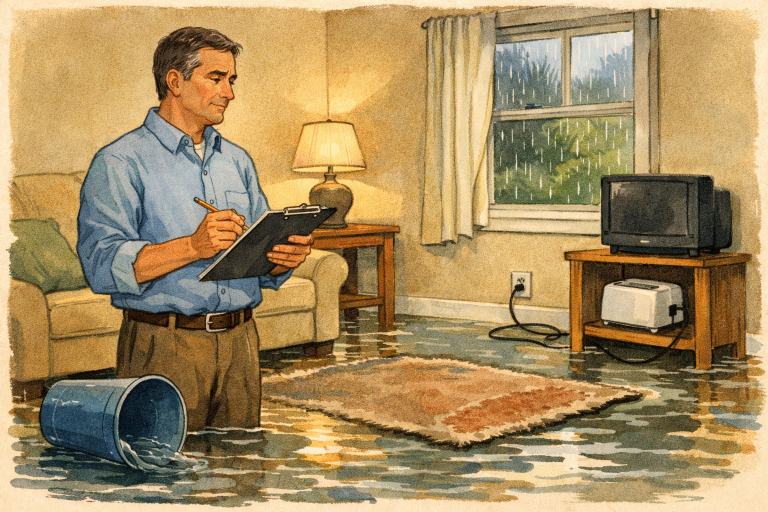
- Ensure Safety: Never enter a flooded area until you are sure it is safe. Shut off electricity and gas to avoid electrocution or explosions if water has reached wiring or appliances.
- Document the Damage: Before cleanup begins, take photos and detailed notes of all impacted rooms and possessions. This record will be essential when filing insurance claims and working with restoration professionals or government aid organizations.
- Remove Standing Water: Once conditions are safe, begin removing water with buckets, a wet-dry vacuum, or pumps. Rapid removal will help limit further structural damage and make the next steps easier.
- Dry and Dehumidify: After the visible water is cleared, use fans and dehumidifiers to speed up the drying process. Proper ventilation can help prevent lingering moisture and mold growth that can begin within 24 hours.
- Clean and Disinfect: All surfaces that have come into contact with water should be thoroughly cleaned and disinfected. This eliminates bacteria and reduces mold risks. Be especially careful with porous materials such as carpets or upholstered furniture, which may need to be removed if they cannot be fully dried and sanitized.
The Role of Professional Restoration Services
Initial do-it-yourself cleanup is often sufficient for small, minor spills, but for most cases of water damage, professionals are necessary for a complete recovery. Restoration experts use advanced tools to find and dry hidden moisture behind walls, beneath floors, or in insulation, which cannot be effectively handled with consumer equipment. Their services typically include:
- Thorough Inspection: Professionals inspect all potentially affected areas, including those that may not be immediately visible during your walk-through.
- Advanced Drying Techniques: Industrial-grade air movers and dehumidifiers are used to speed up drying and ensure no moisture is left behind.
- Mold Prevention: Application of antimicrobial agents helps prevent mold and mildew from developing in the days and weeks after an incident.
- Structural Repairs: Restoration teams are able to identify areas requiring repair and can help restore your home’s physical integrity, ensuring safety.
Preventive Measures to Avoid Future Water Damage
Prevention is less expensive than repair and can offer peace of mind during stormy seasons or when traveling. Simple steps include inspecting the roof, gutters, and sump pumps for damage or blockages, and checking pipes and appliances for leaks. Installing water sensors near high-risk areas like basements or washing machines can alert you to problems before they escalate. Good drainage is also essential; ensure landscaping slopes away from the foundation and that window and door seals are in good shape.
- Regular Maintenance: Conduct seasonal checks of your roof, gutters, and drainage systems to make sure they remain clear and functional.
- Plumbing Checks: Examine visible pipes and appliance connections periodically for leaks or rust. Early detection can prevent a small drip from becoming a bigger problem.
- Water Detection Devices: Invest in smart water sensors for early-warning alerts, particularly for areas prone to gradual leaks or flooding.
- Maintain Proper Drainage: Make sure grading around the property causes water to flow away from your foundation.
- Seal Windows and Doors: Weatherproofing these points of entry reduces risk during intense rainfall and helps prevent intrusion.
Understanding Insurance Coverage for Water Damage
Not all types of water damage are covered by standard homeowner policies. Generally, sudden incidents, such as burst pipes or accidental overflows, are included; gradual deterioration due to neglect, however, may be excluded. Carefully read your policy documents, and proactively talk with your insurance agent to ensure you know the extent of your coverage. This is particularly important in regions vulnerable to flooding, where separate flood insurance may be necessary. The Insurance Information Institute offers more details on what typical policies cover.
Health Considerations Post-Water Damage
Mold and harmful microbes can develop rapidly after even minor water incidents if the area is not dried and disinfected. Untreated mold can trigger asthma, allergies, and other respiratory problems. It is crucial to monitor for musty odors, discoloration on walls, and to seek professional mold remediation as needed. For more information on the health risks of mold, visit the CDC’s mold resource page.
Community Resources and Support
If water damage results from a widespread incident, such as a local fire, flood, or municipal water crisis, community organizations and emergency services may offer additional help. For example, after the Eaton fire in Altadena, local agencies worked quickly to restore safe drinking water. Check with your municipality or local relief organizations to see what support and updates are available after major events.
Conclusion
Quick action, documenting losses, and enlisting professional help are all vital steps after water damage strikes. Taking preventive measures and understanding insurance specifics can save time and money, reduce risks, and make restoration smoother the next time disaster hits. By following these guidelines, homeowners can protect their investment and keep their families safe from the challenges that water damage brings.